Inside Herbert Levine's Second Act and the Mastermind Bringing It to Life

Luxury fashion isn't short on comeback stories. Every season seems to resurrect another dormant brand—complete with a polished archive, a reverent mood board, and the promise of relevance for a new generation. But in the case of shoe label Herbert Levine, the brand's return feels different. It's not that the 20th-century shoe label has been rediscovered per se. Rather, it's come back from the dead altogether.
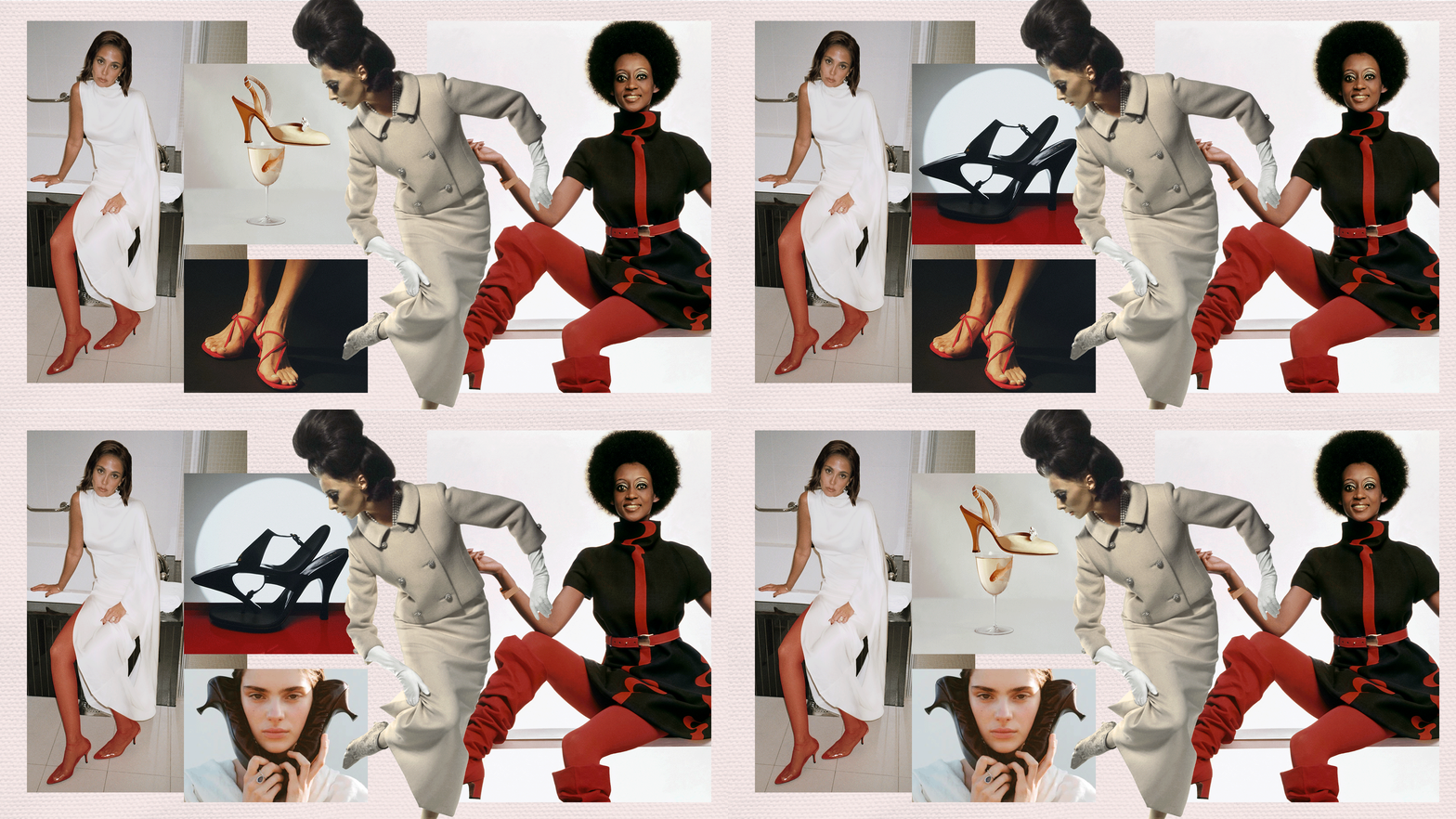
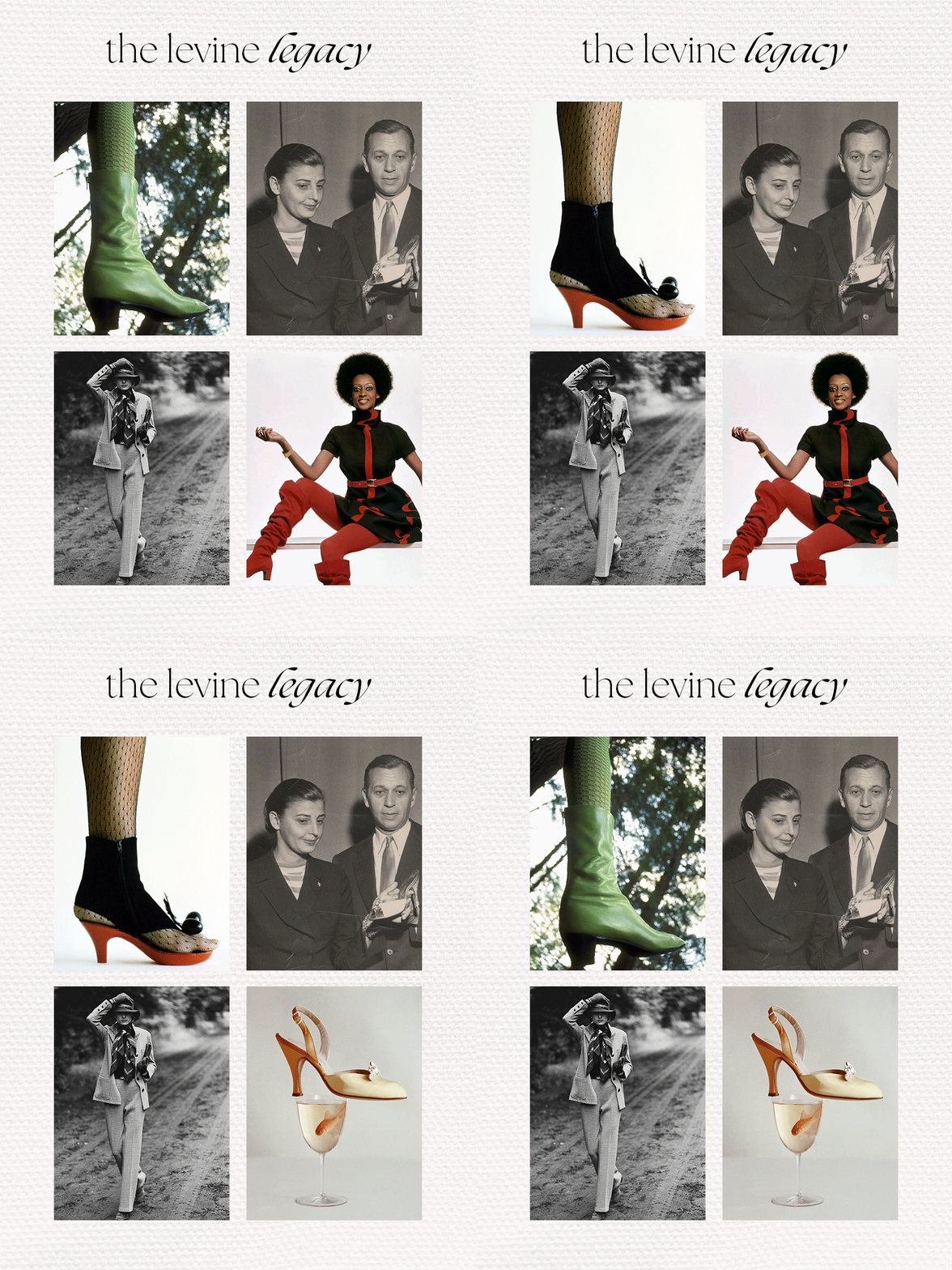
For nearly half a century, Herbert Levine existed more as fashion folklore than a functioning label. Founded in New York in 1948 by husband and wife Herbert and Beth Levine, the house became synonymous with inventive American footwear. Beth Levine, the creative force behind the brand, approached shoes with the curiosity of an industrial designer and the imagination of an artist, pioneering transparent footwear, sculptural heels, and fashion boots years before they were trends, and her designs were worn by the biggest stars, such as Cher, Liza Minnelli, and Jacqueline Kennedy Onassis. Manolo Blahnik famously called her "the most influential American shoe designer of the 20th century."
In 1975, the label quietly shuttered due to pressure to cut corners on manufacturing quality and cost in an attempt to keep up with the accessories industry at large, according to Beth and Herbert's daughter, Anna Thomson-Wilson, so when investors decided to revive the label 50 years later, it wasn't enough for them to simply find someone who could re-create Beth's older silhouettes. They needed someone who understood why the brand even mattered in the first place.
Enter Trevor Houston.
The 36-year-old's résumé reads like a tour of modern fashion's most influential shoe departments. Marc Jacobs, Coach, Tory Burch, The Row, and Khaite all have relied on Houston's eye for footwear design. Those lattice jelly flats everyone wore last year? You have Houston to thank for that. Frankly, Houston's appointment felt inevitable. Long before he became Herbert Levine's creative director, he was one of its most devoted collectors, filling his New York apartment with vintage pairs and studying Beth Levine's work with almost academic precision.
"Probably 65% of the shoes that I collect are Herbert Levine," Houston told Vogue shortly after his appointment. That lifelong fascination wasn't simply a personal hobby. It ultimately became the reason Luvanis, the investment group behind the revival, sought him out.
It's a bold move that becomes increasingly convincing the deeper you dive into Beth's archive. Her shoes were whimsical without becoming novelty pieces, technically sophisticated without sacrificing wearability. They embodied a distinctly American optimism—equal parts art, object, and everyday luxury.
Houston's challenge wasn't to re-create those designs stitch for stitch. It was to revive that spirit.
The result is a collection that feels familiar only in philosophy. Pumps arrive with dramatically deep V-shaped vamps. Sheer knee-high boots reference Beth's fascination with transparency without feeling too on the nose for retro fashion. Sculptural flip-flops, softly ruched heels, and unexpected proportions all nod to the original house's playful DNA while speaking fluently to today's fashion audience.
That approach feels particularly timely. Fashion has entered an era where the most coveted accessories aren't necessarily the loudest. They're the ones that reveal themselves slowly. The modern cool girl isn't chasing logos so much as intelligent design, the kind of piece another fashion person notices from across the room.

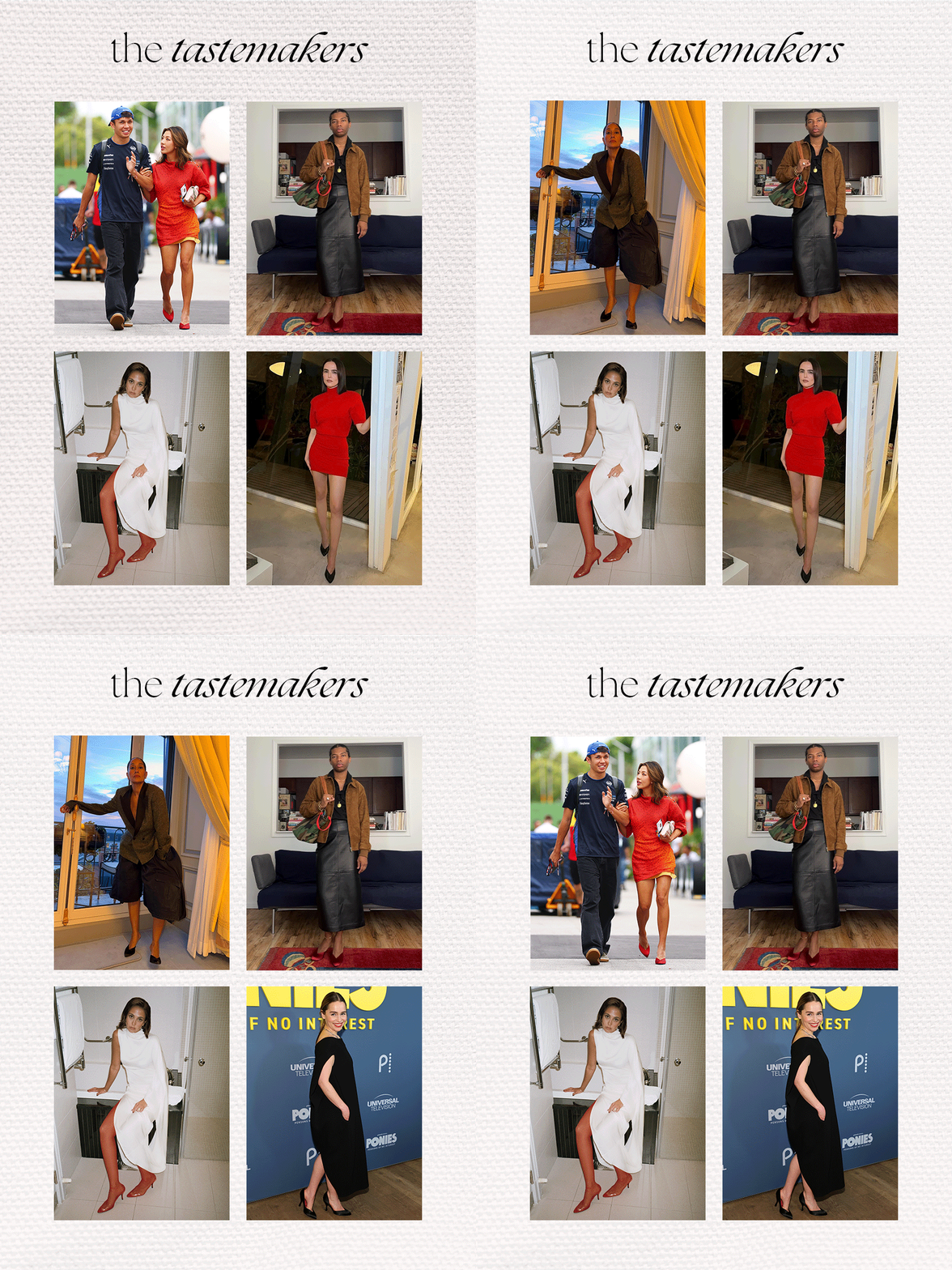
The original brand closed in 1975, but its ideas never disappeared. Beth Levine's innovations found their way into museum collections, fashion textbooks, and the work of countless designers who followed. Today's Herbert Levine isn't attempting to convince shoppers that the archive deserves another look. It's making the case that the archive was always pointing toward the future. Just take a look at the brand's e-commerce arm, which just launched earlier this month to meet tastemakers where they are: digitally native, highly connected, and always chasing the latest It-shoe.
In many ways, Houston's greatest contribution has been resisting the temptation to over explain that legacy. Instead, he has translated it into something instinctive: shoes that feel a little smarter, a little stranger, and infinitely more memorable than the sea of minimalist pumps currently crowding the luxury market.
It's an approach rooted less in nostalgia than in confidence—the confidence to believe that originality never really goes out of style.
Herbert Levine may be in its second act, but under Trevor Houston, it doesn't feel like a revival. It feels like a story that was simply waiting for fashion to catch up.
Shop the Brand


